Pajama Pants at 30,000 Feet and Other Lessons in Leadership

February 19, 2026
Blogs
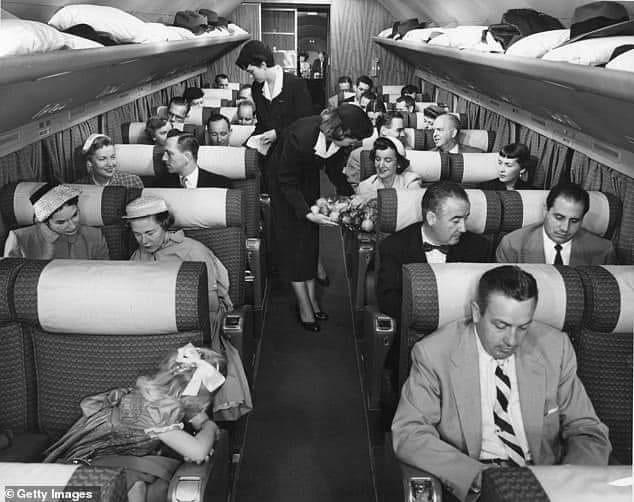
In 1980, I took my first airplane ride from Oklahoma City to St. Louis, on Southwest Airlines. I remember two things clearly: First, I was nervous but thrilled I scored a window seat, and second, I dressed up like I was going to church. Button-down. Nice shoes. The whole deal. As my parents put it, flying wasn’t transportation — it was an event.
Fast-forward to recently: I’m on another Southwest flight, parked at the gate, doing what modern travelers do best — doomscrolling — when I land on a fascinating Wall Street Journal piece about the U.S. government’s (let’s call it “optimistic”) attempt to get passengers to dress better on planes.
I start quietly laughing when I read Transportation Secretary Sean Duffy’s quote: “Let’s try not to wear slippers and pajamas as we come to the airport.”[1] And right on cue, a young couple sits down next to me, dressed in…pajama bottoms, slides, hoodies cinched tight, noise-canceling headphones locked in, and actual sleep masks dangling around their necks. They seemed quite ready for a long nap or a heist movie montage.
That’s when it hit me: I had become my parents. Not in a “kids-these-days” way (I, too, love comfort), but in a realization that airplane travel used to come with an unspoken code. People once dressed intentionally because doing so signaled respect for the journey and for the people sharing it. Today, comfort dominates, and honestly, I get it.
In-and-of-itself, this shift toward dressing down on airplanes isn’t the end of the world but is a pretty good metaphor for leadership: Standards don’t disappear all at once; they erode quietly when leaders stop modeling them.
As I sat there, I wondered what drove my fellow seatmates to dress like my wife and I used to dress our kids when they were little (and we knew we’d be out late). Those nights called for a fresh diaper, pajamas, and a quiet hope that once we got home we could perform the sacred “car seat to bed” transfer without waking anyone. (We were young. We believed in miracles.)
After reliving my early days as a parent, I did what any reasonable person would do when surrounded by pajama bottoms at 30,000 feet: I pulled out my notebook and pen…because nothing says “I’m coping well” like jotting leadership lessons next to someone wearing a sleep mask as jewelry. I scribbled out three lessons. Turns out travel culture and leadership culture have a lot in common.
Lesson 1: Comfort Isn’t the Enemy; Complacency Is
Flying used to feel like an event. Now it feels like public transportation at altitude with a side of paid pretzels.
When something becomes routine, comfort naturally rises to the top of the priority list. That’s not a problem. Comfort is a gift. The problem shows up when comfort quietly turns into complacency.
Be aware, leaders. Once things feel “good enough” in organizations, standards can soften — not because anyone made a conscious decision toward complacency but because no one actively reinforces what “great” looks like.
Leadership insight: People don’t follow written standards as much as they follow visible behavior.
Lesson 2: No One Was Told to Dress Down; They Just Took Cues
Let’s be clear. Southwest didn’t make an announcement like, “Ladies and gentlemen, today’s theme is cozy bedtime chic. Please adjust your hoodie strings accordingly.”
Instead, the shift toward casual dress happened because the environment signaled it. People watched what was normal, what was tolerated, what was rewarded — and adapted.
That’s exactly how culture works in an organization, too. Leaders send cues every day through what they praise, what they ignore, what they allow to slide. Tone, presence, preparation, responsiveness, and, yes, even appearance…none of these are about vanity. They’re signals.
Leadership insight: Culture forms from what leaders permit and model, not what they say they value.
Lesson 3: When Leaders Go Casual Everyone Else Goes Further
Here’s the thing about standards. They don’t just hold steady on their own. They drift.
One leader skips prep, and the team skips.
One leader shows up late, and meetings start starting late.
One leader lowers the bar, and the bar keeps moving lower.
You see the same progression in travel attire. Business casual to casual to “I may be wearing slippers, but I’m spiritually in first class.”
Leadership insight: Standards rarely drop to the leader’s level. They drop below it.
This post isn’t a call for three-piece suits at the gate or for a ban on hoodies in row 18; rather, it is a reminder that whether you’re boarding a flight or leading a team, the example always boards first. People take their cues from what they see, not what’s posted on the wall or buried in a policy manual. If leaders want higher standards, clearer expectations, and a little more intentionality, they must model these things every day.
And if you happen to see me on your next flight, don’t worry — I won’t judge your pajama pants. I’ll just quietly wonder what they’re teaching the rest of us.
[1] https://www.wsj.com/lifestyle/travel/the-futile-campaign-to-get-people-to-dress-better-on-planes-8663ff70
Pajama Pants at 30,000 Feet and Other Lessons in Leadership was originally published in Horizon Performance on Medium, where people are continuing the conversation by highlighting and responding to this story.